
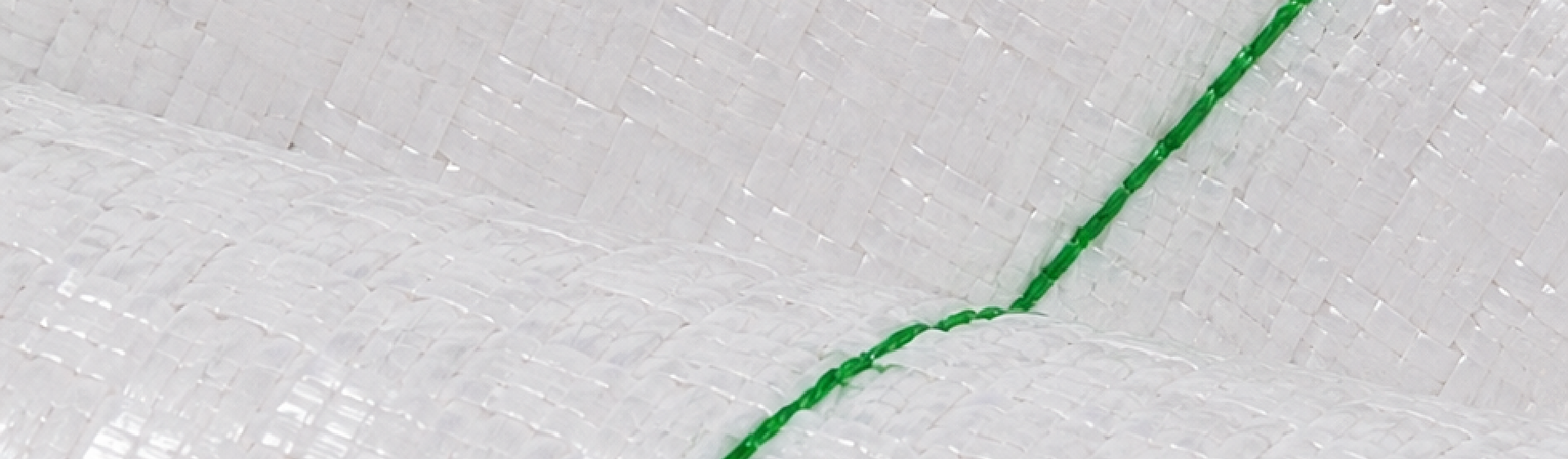
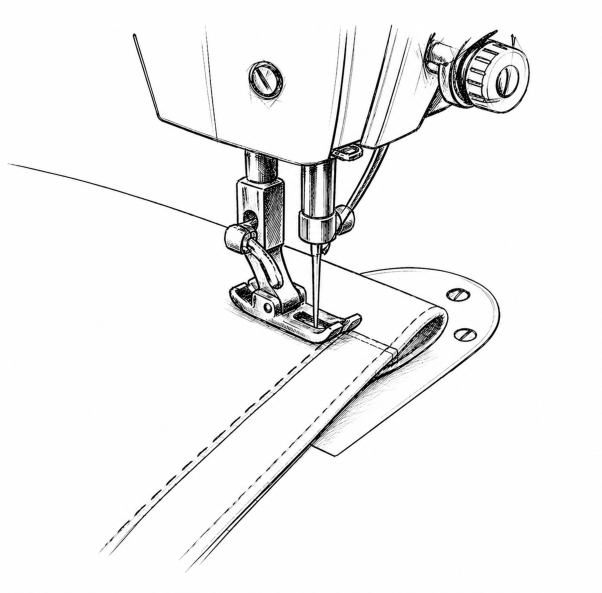
The seams connect the different parts of the bag and are critical to its strength and reliability. Although the fabric itself is very strong, improper seam design can create a potential point of failure. Seam quality directly affects the bag’s load resistance and suitability for reuse.
For standard structural connections
To prevent powder leakage
For load-bearing areas such as lifting loops
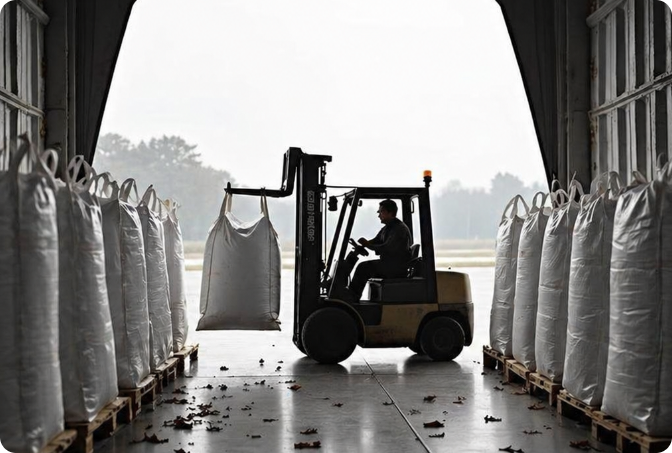
There are different types of seams, including regular seams, sealed seams, and sift-proof seams that may incorporate filler cord and/or fabric lining to reduce powder leakage. In addition, seam density (the number of stitches per inch) affects the strength of the connection. Proper design also includes reinforcement in critical areas, especially near the lifting loops.
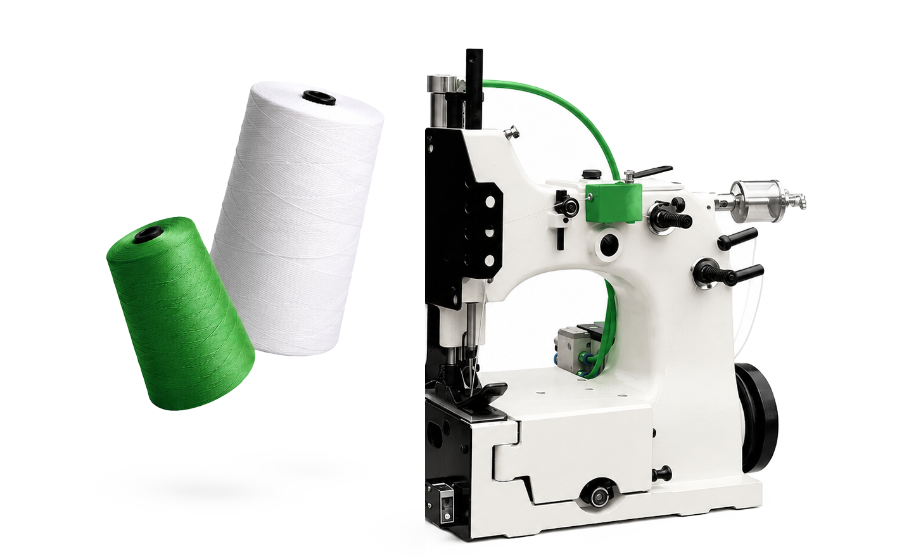
Bag load resistance
Suitability for fine materials
Bag lifespan
Reusability
In addition, the bag structure affects the number of seams. Circular bags have fewer seams and therefore fewer potential weak points, while four-panel bags provide greater stability but include more seam areas.